
Putting Your Best Foot Forward: Why Foot Health Matters at Work
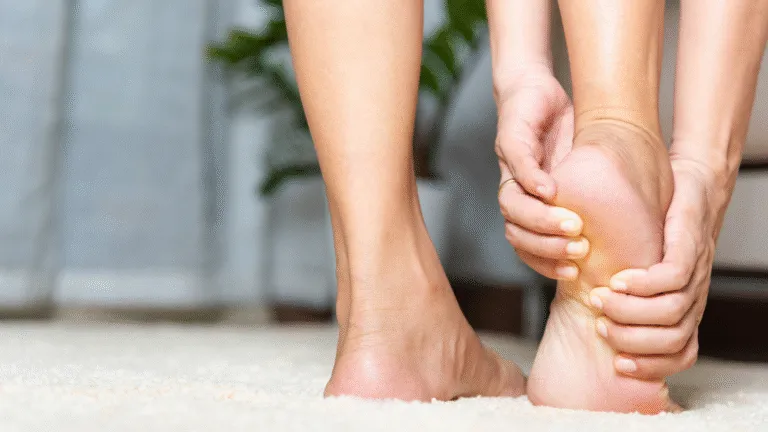
Every day, our feet quietly carry us through the demands of working life. Whether it’s walking factory floors, standing for hours in a bakery, or sprinting to emergencies in heavy boots, our feet absorb the impact of every shift. It’s little wonder that one in five adults experience some form of foot or lower-limb pain during their working life, and yet, foot health is one of the most overlooked aspects of workplace wellbeing.
As a podiatrist, I see first-hand how foot pain can affect not only comfort but also productivity, mobility and even confidence. Many people accept sore feet as “part of the job,” but most issues can be prevented and treated with early advice and simple interventions.
What Is a Podiatrist?
A podiatrist is a degree-level healthcare professional specialising in the assessment, diagnosis and treatment of the feet and lower limbs. The word comes from the Greek “pod” (foot) and “iatros” (healer) — describing someone who helps people move comfortably and stay pain-free on their feet.
What Does a Podiatrist Treat?
Podiatrists assess and manage a wide range of foot and lower-limb problems from heel and arch pain to skin, nail and postural issues. They help prevent, diagnose and treat conditions linked to standing, walking, footwear or sport, supporting mobility and comfort in daily life.
When Should I See a Podiatrist?
If you have ongoing foot or ankle pain, changes in how you walk or skin and nail problems that don’t improve, it’s time to see a podiatrist. Early assessment and treatment can prevent small issues from becoming long-term problems, keeping you healthy, active and on your feet.
The Everyday Strain
Different jobs place different stresses on our feet.
- Retail and catering staff, such as bakers or baristas, often spend long hours standing on hard floors. This constant pressure can lead to heel pain (plantar fasciopathy) or forefoot discomfort from loss of natural cushioning.
- Drivers and delivery staff who sit for long periods may experience swelling or numbness, especially if circulation is reduced.
- Emergency service workers such as police officers or firefighters carry heavy kit and wear restrictive boots, which can alter posture, strain the Achilles tendon or cause toenail trauma.
- Even office workers aren’t exempt, tight dress shoes or unsupportive flats can cause arch pain, bunions or callus build-up.
Poorly fitting footwear is one of the most common and preventable causes of foot discomfort. Shoes that are tight in the toe box restrict natural movement of the toes, preventing the foot from functioning efficiently during walking. Over time, this can lead to bunions, clawed toes, corns and nail damage, as well as changes in gait that place strain on the ankles, knees, and hips. Conversely, shoes that are too loose or lack support can cause friction, blisters, and instability, increasing the risk of slips and falls.
Small Problems, Big Impact
When foot pain develops, it rarely stays isolated. The body naturally compensates, changing the way we walk or stand, which can in turn cause knee, hip, or lower-back pain. A simple issue such as athlete’s foot is common when feet stay warm and enclosed all day and can also spread quickly or lead to secondary infections if untreated. Left unchecked, these conditions not only cause discomfort but can contribute to time off work and long-term musculoskeletal problems.
What is my Foot Pain?
Understanding where the pain is coming from can help you decide when to seek help: Here are some examples:
- Pain in your heel:
Most often due to plantar fasciopathy (previously called plantar fasciitis), where the thick band of tissue under the foot becomes irritated from repetitive strain. Common in those standing or walking on hard floors for long hours.
- Pain in the ball of your foot:
Could be metatarsalgia, caused by pressure on the forefoot, often from tight shoes, high heels, or loss of fat padding. Occasionally, a trapped nerve between the toes (known as a Morton’s neuroma) can cause a sharp or burning pain in this area.
- Aching in your arches or inner ankle:
May indicate strain in the posterior tibial tendon, often linked with poor footwear support or collapsing arches.
- Stinging or itching between your toes:
This is a tell-tale sign of athlete’s foot, a common fungal infection that thrives in warm, damp conditions and particularly when shoes aren’t changed or feet stay hot throughout the day.
If any of these problems persist, worsen or affect how you walk, it’s time to see a podiatrist for assessment and tailored advice.
Case Study: Getting Back on Her Feet
A recent patient came to clinic with persistent heel pain that had been troubling her for around two months. The discomfort was focused on the centre and underside of her right heel, particularly first thing in the morning or after long periods of standing.
Assessment revealed restricted ankle movement and tight calf muscles, both of which were placing extra tension on the heel and the soft tissue beneath it. This is a common pattern seen in people who spend long hours on their feet or wear unsupportive footwear.
A rehabilitation plan was set to strengthen and stretch the foot and lower leg. We focused on improving flexibility through the ankle joint and activating the small intrinsic muscles of the foot; the ones that often don’t get the chance to work properly when footwear is too rigid or unsupportive.
To reduce pain during recovery she was fitted with temporary arch supports to help offload pressure and allow her tissues to heal.
Within a month, she reported significant improvement. After three months, having followed her exercise plan and paying close attention to her footwear choices her symptoms were fully under control. Every patient is different but this is a great example of how early assessment and compliance with simple rehab strategies can prevent a minor issue from becoming chronic.
In contrast, another patient, a delivery driver presented with pain across the ball of his foot from long hours in rigid safety boots. A footwear review and a simple metatarsal pad helped redistribute pressure and within weeks his symptoms had eased. It’s a reminder that even minor adjustments can make a big difference to daily comfort.
Top Tips for Healthy Feet at Work
1. Choose the right footwear
Pick shoes with a roomy toe box, supportive sole, and cushioned insole. Avoid high heels or flat pumps for prolonged standing or walking.
2. Change your socks daily
Opt for breathable, moisture-wicking materials to reduce odour and fungal infections.
3. Vary your posture
Alternate between sitting, standing, and moving whenever possible to keep joints mobile and circulation healthy.
4. Keep your feet clean and dry
Dry between your toes after washing and let shoes air out overnight.
5. Don’t ignore pain
Persistent soreness, swelling, or numbness are signs that something’s not right; see a podiatrist for assessment.
Seasonal Foot Health
The time of year can also influence foot health. In warmer months, sandals or lightweight shoes often provide less support and can lead to sore arches or cracked heels. In winter, heavier boots and thicker socks may cause rubbing, pressure areas, or fungal infections if feet stay warm and damp for too long. Rotating footwear, using supportive insoles and keeping skin moisturised are simple ways to adapt to seasonal changes and prevent discomfort.
Early Reporting at Work
It’s important that employees feel able to report foot discomfort early. Small problems such as mild heel ache or skin irritation can quickly worsen if ignored, leading to more significant pain and time away from work. Employers can help by encouraging a culture where foot and leg symptoms are taken seriously and referring to occupational health promptly. Early intervention often prevents chronic problems and keeps staff healthy and productive.
How Podiatry Supports the Workforce
Podiatry isn’t just about nails and corns, it’s about keeping people mobile and pain-free. In workplace health, this means assessing posture, gait, and footwear to identify small changes that prevent bigger issues.
Through occupational health referrals, podiatrists can:
- Assess foot and ankle pain early to prevent chronic injury.
- Recommend orthotic insoles or footwear modifications.
- Advise on rehabilitation exercises for balance and strength.
- Advise on skin and nail conditions that affect comfort and hygiene.
- Promote awareness of foot hygiene, particularly in hot or enclosed footwear.
When employees understand the link between their feet and overall wellbeing, they’re more likely to stay active, comfortable, and productive, a benefit to both staff and employers.
If you notice persistent foot pain, changes in your gait or skin irritation, speak to a podiatrist or occupational health professional. A simple assessment could keep you, quite literally on your feet and ready to face whatever the working day brings.
Find out more about our podiatry services here:

